Finding Connection in a Disconnected World: The Enduring Value of Fraternal Society Membership
In an era dominated by digital connections and virtual interactions, the concept of belonging to a physical community organization might seem antiquated to some. Yet, as our world becomes increasingly fragmented and our social interactions more superficial, the value of genuine human connection has never been more critical. Fraternal societies like the Columbian Club offer something that no social media platform or online forum can replicate: authentic, face-to-face relationships built on shared values, mutual support, and a commitment to community service.
This article explores the multifaceted benefits of fraternal society membership through personal testimonials, examining how organizations like the Columbian Club continue to provide meaningful social, professional, and personal enrichment in the 21st century. From the friendships that span decades to the networking opportunities that shape careers, from the sense of purpose found in community service to the simple joy of belonging to something larger than oneself, fraternal societies offer a counterbalance to the isolation that increasingly characterizes modern life.
The Social Dimension: Building Lasting Friendships
Perhaps the most immediate and tangible benefit of fraternal society membership is the opportunity to forge genuine friendships. Unlike casual acquaintances made through work or fleeting encounters in daily life, the relationships formed within organizations like the Columbian Club are built on a foundation of shared values and regular, meaningful interaction. These are not connections maintained through occasional likes on social media posts, but friendships nurtured through shared meals, collaborative projects, and the simple act of showing up for one another.
Robert Martinez, a member of the Columbian Club for over thirty years, reflects on this aspect with particular warmth. "When I first joined in my early thirties, I was new to the area and knew virtually no one outside of my workplace," he recalls. "The Club became my social anchor. The men I met there weren't just fellow members—they became my closest friends, the people I could call at three in the morning if I needed help, the ones who showed up when my father passed away, who celebrated with me when my daughter graduated from college."
This depth of connection is particularly valuable in an age where loneliness has been identified as a significant public health concern. Studies have shown that strong social connections contribute to better mental health, increased longevity, and improved overall quality of life. Fraternal societies provide a structured environment where such connections can naturally develop and flourish. The regular meetings, social events, and collaborative activities create multiple touchpoints for interaction, allowing relationships to deepen organically over time.
Moreover, these friendships often transcend generational boundaries. Younger members benefit from the wisdom and experience of senior members, while older members find renewed energy and fresh perspectives from their younger counterparts. This intergenerational exchange enriches the entire community, creating a living bridge between past traditions and future possibilities. As Thomas Chen, a member in his late twenties, notes: "Some of my best friends at the Club are men in their sixties and seventies. They've become mentors to me, not just in professional matters but in life. That kind of relationship is increasingly rare in our age-segregated society."
Professional Networking and Career Development
While the social benefits of fraternal society membership are profound, the professional advantages should not be overlooked. The Columbian Club, like many civic and social organizations, brings together individuals from diverse professional backgrounds—business owners, educators, healthcare professionals, attorneys, tradespeople, and public servants. This diversity creates a rich ecosystem for professional networking that extends far beyond the transactional nature of typical business networking events.
The key difference lies in the foundation of trust and mutual respect that develops through regular interaction in a non-professional context. When you've worked alongside someone on a community service project, shared meals with them and their families, and witnessed their character in various situations, professional collaborations naturally follow. These aren't cold calls or LinkedIn connections—they're relationships built on genuine mutual regard.
James Sullivan, a small business owner and fifteen-year member, credits the Club with significant contributions to his professional success. "I've found clients, partners, and invaluable advisors through my membership," he explains. "But more importantly, I've found people who genuinely care about my success and are willing to offer guidance without expecting anything in return. When I was considering expanding my business, three fellow members who had experience in that area sat down with me for hours, helping me think through the challenges and opportunities. That kind of mentorship is priceless."
The professional benefits extend beyond direct business opportunities. Many members report that their involvement in the Club has helped them develop crucial leadership and organizational skills. Serving on committees, organizing events, and taking on leadership roles within the organization provide practical experience in project management, public speaking, conflict resolution, and team building—skills that translate directly to professional advancement. For younger professionals especially, these opportunities to lead and contribute in a supportive environment can be transformative, building confidence and competence that accelerates career growth.
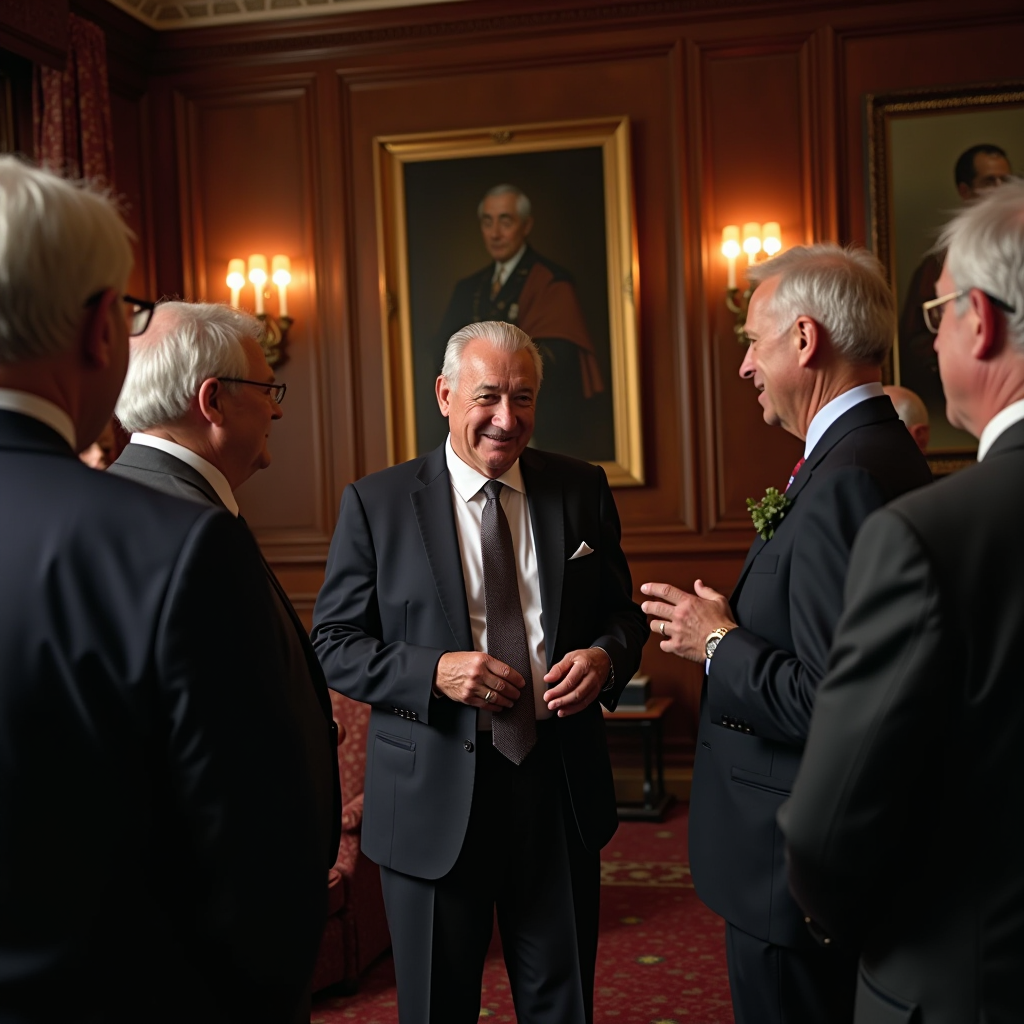
Members enjoying fellowship at a recent Columbian Club gathering, exemplifying the strong bonds of friendship and community that develop through fraternal society membership.
The Profound Sense of Belonging
Beyond the practical benefits of friendship and professional networking lies something more fundamental: the deep human need to belong. In our increasingly mobile and digitally-mediated society, many people struggle to find a sense of rootedness and community. We may have hundreds of online connections, but lack the feeling of truly belonging to a community that knows us, values us, and would notice our absence.
Fraternal societies address this need directly. When you walk into the Columbian Club, you're not just another face in the crowd—you're a valued member of a community with a shared history and common purpose. There's a place set for you at the table, both literally and figuratively. This sense of belonging provides psychological and emotional benefits that ripple through all aspects of life, contributing to greater life satisfaction, reduced stress, and a stronger sense of identity and purpose.
"The Club isn't just a place I go—it's a place where I belong. In a world that often feels fragmented and impersonal, that sense of belonging is invaluable."
— Michael O'Brien, 22-year member
This sentiment is echoed by many members who describe the Club as their "second home" or "extended family." The rituals and traditions of the organization, while perhaps seeming formal or old-fashioned to outsiders, serve an important function in creating continuity and shared identity. Whether it's the opening ceremony at meetings, annual celebrations, or long-standing customs, these practices connect current members to the organization's history and to each other, creating a sense of being part of something enduring and meaningful.
For members who have relocated to the area, this sense of belonging is particularly significant. David Park, who moved to the region five years ago for work, describes his experience: "Moving to a new city in your forties is challenging. You don't have the built-in social structures of school or early career. Joining the Columbian Club gave me an instant community. Within months, I felt like I had roots here. I had people to grab dinner with, to invite to my home, to call when I needed advice about local contractors or doctors. It transformed my experience of living here from feeling like a temporary transplant to feeling like I truly belonged."
Personal Growth and Character Development
Membership in a fraternal society is not merely about what you receive—it's equally about who you become through participation. The values that underpin organizations like the Columbian Club—integrity, service, fellowship, and civic responsibility—are not just abstract ideals but lived principles that shape members' character and conduct. Through regular engagement with these values and with fellow members who embody them, individuals often find themselves growing in ways they hadn't anticipated.
The commitment to community service that is central to many fraternal societies provides opportunities for personal growth through giving back. Whether organizing charity events, supporting local causes, or simply helping a fellow member in need, these acts of service cultivate empathy, humility, and a broader perspective on life. Members frequently report that their involvement in service projects has been among the most rewarding aspects of their membership, providing a sense of purpose and contribution that enriches their lives immeasurably.
Anthony Russo, who joined the Club in his early twenties and is now in his mid-forties, reflects on his personal journey: "When I first joined, I was focused primarily on the social aspects—I wanted to make friends and have a good time. And I found that, certainly. But over the years, my involvement has pushed me to grow in ways I never expected. Taking on leadership roles taught me about responsibility and accountability. Working on charitable projects opened my eyes to needs in our community I'd been oblivious to. The mentorship I received from older members helped me navigate difficult personal and professional decisions. I'm genuinely a better person because of my membership."
This emphasis on character development and personal growth distinguishes fraternal societies from purely social clubs or professional networking groups. While those organizations certainly have their place, fraternal societies aspire to something more—to help members become not just more successful or better connected, but better human beings. In an age often characterized by cynicism and self-interest, this commitment to personal and collective betterment offers a refreshing alternative, a reminder that we are capable of being more than the sum of our individual ambitions.
Contributing to Community and Civic Life
The benefits of fraternal society membership extend beyond individual members to the broader community. Organizations like the Columbian Club have historically played vital roles in civic life, supporting local charities, sponsoring community events, and advocating for important causes. This tradition of civic engagement continues today, with members collectively contributing thousands of hours of volunteer service and significant financial support to community organizations and initiatives.
This community impact is amplified by the collective nature of fraternal societies. While individual acts of charity are certainly valuable, the organized, sustained efforts of a dedicated group can achieve far more. The Columbian Club's annual scholarship program, for instance, has helped dozens of local students pursue higher education. The Club's support for local food banks, youth programs, and senior services has made a tangible difference in countless lives. These are not one-time gestures but ongoing commitments that reflect the organization's deep roots in and dedication to the community.
Moreover, fraternal societies serve as important spaces for civic discourse and engagement. In an era of increasing political polarization, organizations that bring together people of diverse viewpoints around shared values and common purposes are more important than ever. The Columbian Club provides a forum where members can discuss community issues, debate ideas, and work together toward solutions, modeling the kind of constructive civic engagement that is essential to a healthy democracy.
William Foster, a retired educator and long-time member, emphasizes this civic dimension: "The Club has always been about more than just fellowship among members—it's about being good citizens and contributing to the common good. That tradition of civic responsibility is something we work hard to maintain and pass on to newer members. In a time when many people feel disconnected from civic life, when trust in institutions is declining, organizations like ours provide a way for people to engage meaningfully with their community and make a real difference."
A Timeless Answer to Modern Challenges
In examining the value of fraternal society membership through the experiences of long-time members of the Columbian Club, several themes emerge consistently: the depth and authenticity of friendships formed, the professional opportunities that arise from genuine relationships, the profound sense of belonging that addresses a fundamental human need, the personal growth that comes from engagement with shared values and service to others, and the positive impact on the broader community.
These benefits are not relics of a bygone era but timeless answers to challenges that are, if anything, more acute today than in previous generations. The loneliness epidemic, the fragmentation of communities, the decline of civic engagement, the search for meaning and purpose—these are defining issues of our time, and fraternal societies offer proven solutions rooted in the simple but powerful practice of people coming together around shared values and common purposes.
The testimonials of members like Robert Martinez, Thomas Chen, James Sullivan, Michael O'Brien, David Park, Anthony Russo, and William Foster paint a compelling picture of what fraternal society membership can offer: not just a social outlet or networking opportunity, but a genuine community that enriches every aspect of life. Their experiences demonstrate that in an increasingly disconnected world, the value of authentic human connection, shared purpose, and collective commitment to something larger than ourselves has never been greater.
For those seeking deeper connections, meaningful engagement, and a sense of belonging in their lives, fraternal societies like the Columbian Club offer a time-tested path. The investment of time and commitment required is real, but as the experiences of countless members attest, the returns—in friendship, personal growth, professional development, and community impact—are immeasurable. In a world that often feels fragmented and impersonal, these organizations remind us of the enduring power of human connection and the profound satisfaction that comes from being part of a community united by shared values and mutual support.
About the Author: This article represents a compilation of perspectives from multiple long-time members of the Columbian Club, reflecting on their experiences and the value they have found in fraternal society membership. Their insights offer a window into the enduring relevance of these organizations in contemporary life.