November 22, 2025
Bridging Tradition and Innovation: How Fraternal Societies Thrive in the Modern Era
An exploration of how organizations like the Columbian Club are successfully adapting to contemporary challenges while preserving their rich heritage and core values.
In an age dominated by digital connections and rapidly shifting social dynamics, traditional fraternal societies face a unique challenge: how to remain relevant and engaging while honoring the principles and traditions that have defined them for generations. Organizations like the Columbian Club are demonstrating that this balance is not only possible but can lead to renewed vitality and purpose in civic and social organizations.
The landscape of fraternal societies and domestic fraternal societies and associations has evolved significantly over the past decades. What once relied primarily on in-person gatherings and word-of-mouth recruitment now requires a multifaceted approach that embraces both time-honored practices and contemporary engagement strategies. This transformation is not about abandoning heritage—it's about ensuring that heritage remains accessible and meaningful to new generations.
The Evolution of Membership Engagement
Traditional fraternal societies have long understood the importance of meaningful connection and shared purpose. However, the methods of fostering these connections have necessarily evolved. Today's successful social clubs recognize that engagement must meet members where they are—both physically and digitally.
Modern membership engagement strategies blend the personal touch of traditional fraternal societies with the convenience and reach of digital platforms. This hybrid approach allows organizations to maintain the intimate, face-to-face interactions that build lasting bonds while also providing flexible options for participation that accommodate busy schedules and diverse lifestyles.
"The strength of any fraternal society lies not in its resistance to change, but in its ability to adapt while remaining true to its foundational values of brotherhood, service, and community."
Organizations are discovering that younger generations are deeply interested in the values that fraternal societies represent—community service, mutual support, civic engagement, and meaningful social connections. The challenge lies in communicating these values in ways that resonate with contemporary sensibilities and demonstrating their relevance to modern life.
Successful engagement strategies now include mentorship programs that pair experienced members with newcomers, creating pathways for knowledge transfer and relationship building. These programs honor the tradition of fraternal guidance while providing structure and support that appeals to those seeking meaningful connections in an increasingly fragmented social landscape.
Digital Communication: Enhancing, Not Replacing, Tradition
The integration of digital communication tools represents one of the most significant adaptations for civic and social organizations in recent years. Rather than viewing technology as antithetical to traditional values, forward-thinking fraternal societies are leveraging digital platforms to strengthen their communities and extend their reach.
Email newsletters, social media presence, and member portals now complement traditional communication methods like printed bulletins and in-person announcements. These digital tools serve multiple purposes: they keep members informed about upcoming events and initiatives, provide platforms for ongoing dialogue between meetings, and offer convenient ways for members to stay connected even when physical attendance isn't possible.
Virtual meeting options have become particularly valuable, not as replacements for in-person gatherings, but as supplements that increase accessibility. Members who travel for work, face mobility challenges, or live at a distance can now participate in discussions and decision-making processes that would otherwise be closed to them. This inclusivity strengthens the organization as a whole while honoring the principle that every member's voice matters.
Digital archives and historical resources have also emerged as powerful tools for preserving and sharing organizational heritage. By digitizing historical documents, photographs, and records, fraternal societies ensure that their stories and traditions remain accessible to current and future members. These digital collections serve educational purposes while fostering pride in the organization's legacy and accomplishments.
Innovative Approaches to Civic Involvement
Civic engagement has always been central to the mission of fraternal societies and political organizations, but the forms this engagement takes continue to evolve. Contemporary approaches to community service and civic involvement reflect both changing community needs and new opportunities for impact.
Modern non-profit initiatives within fraternal societies often focus on collaborative partnerships with other community organizations. Rather than working in isolation, successful social clubs are building coalitions that amplify their impact and demonstrate the power of collective action. These partnerships allow organizations to tackle larger challenges while bringing their unique perspectives and resources to the table.
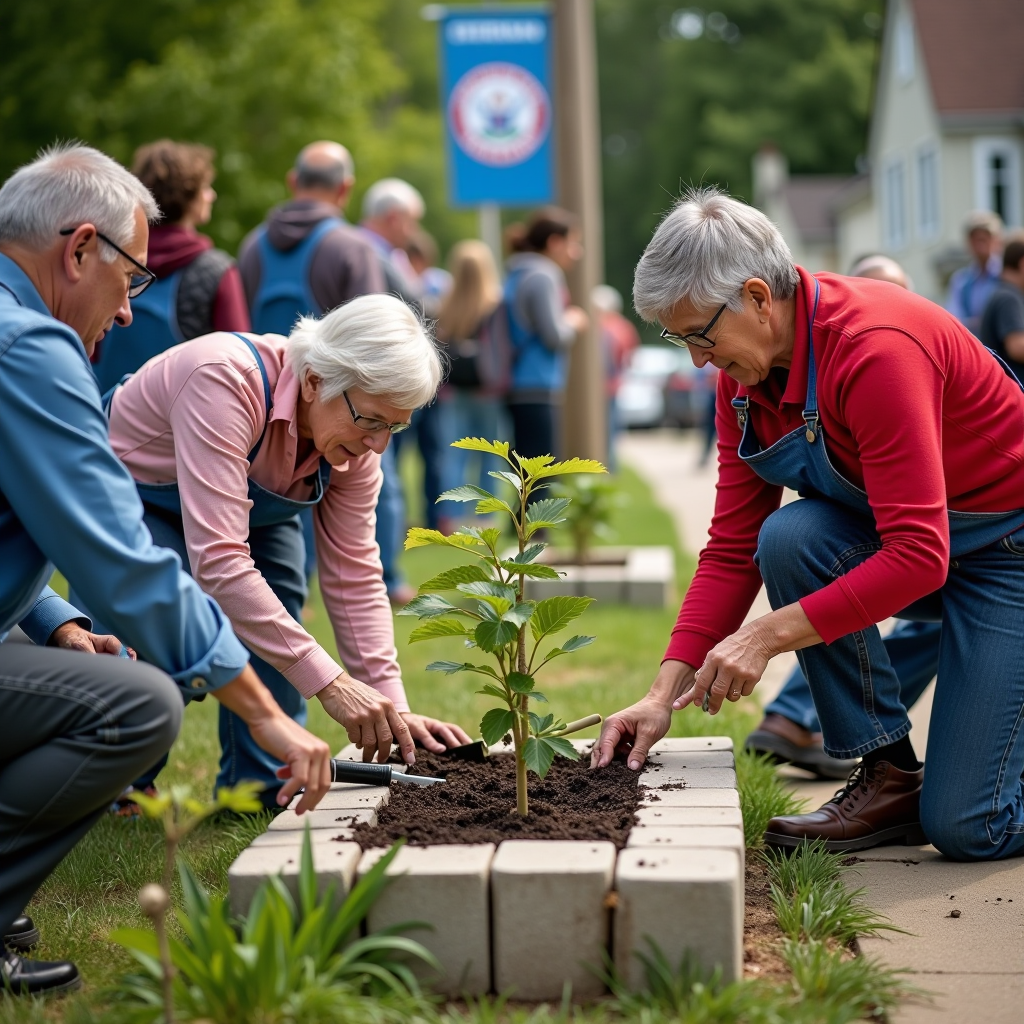
Environmental stewardship has emerged as a particularly resonant area of civic involvement for younger members. Tree planting initiatives, park cleanups, and sustainability projects connect traditional values of community improvement with contemporary concerns about environmental responsibility. These activities provide tangible, visible results that members can take pride in while addressing pressing community needs.
Educational programs and scholarship initiatives represent another area where fraternal societies are making significant impact. By investing in education and youth development, these organizations demonstrate their commitment to the future while creating meaningful connections with younger community members who may become the next generation of active participants.
Advocacy and civic education have also taken on new dimensions. While maintaining their non-partisan character, many fraternal societies are providing forums for informed discussion of community issues, voter education, and civic literacy. These efforts help members become more engaged and effective citizens while strengthening democratic participation at the local level.
Attracting and Retaining Younger Generations
Perhaps the most critical challenge facing domestic fraternal societies and associations is ensuring intergenerational continuity. Organizations that successfully attract younger members share several common characteristics: they offer genuine opportunities for leadership and meaningful contribution, they maintain transparency in their operations and decision-making, and they demonstrate clear relevance to contemporary life.
Younger members are often drawn to organizations that offer both social connection and purpose-driven activity. They want to be part of something larger than themselves, but they also expect to see tangible results from their involvement. Successful fraternal societies create pathways for new members to quickly become active contributors rather than passive observers.
Flexibility in participation models has proven essential. While traditional weekly or monthly meetings remain important, supplementing them with project-based involvement, social events, and digital engagement options allows members to participate in ways that fit their lives. This flexibility demonstrates respect for members' time while maintaining the organization's vitality and activity level.
Mentorship and leadership development programs serve dual purposes: they help newer members develop skills and confidence while ensuring that organizational knowledge and traditions are passed down effectively. These programs create natural bridges between generations, fostering mutual respect and understanding while preparing the organization for long-term sustainability.
Preserving Heritage While Embracing Progress
The most successful fraternal societies understand that tradition and innovation are not opposing forces but complementary elements of organizational health. Heritage provides identity, continuity, and proven values, while innovation ensures relevance, accessibility, and continued growth.
Ceremonial traditions and rituals, when thoughtfully maintained and explained, can provide powerful experiences of connection and meaning. Rather than abandoning these practices, effective organizations are finding ways to make them more accessible and meaningful to contemporary members while preserving their essential character and significance.
Historical awareness and organizational pride are cultivated through storytelling, anniversary celebrations, and recognition of long-serving members. These practices honor the past while demonstrating the organization's enduring value and impact. They also provide context for current activities, showing how today's work continues a legacy of service and community building.
Physical spaces and facilities are being reimagined to serve both traditional and contemporary needs. Meeting halls are being updated with modern technology while preserving historical architectural elements. These spaces become symbols of the organization's ability to honor its past while preparing for its future.
The Path Forward: Sustainable Growth and Impact
Looking ahead, the future of fraternal societies depends on their ability to remain true to core values while continuously adapting to changing circumstances. Organizations like the Columbian Club demonstrate that this balance is achievable through thoughtful leadership, member engagement, and willingness to evolve.
Strategic planning processes that involve members across all age groups ensure that organizational direction reflects diverse perspectives and needs. This inclusive approach to governance strengthens buy-in and commitment while generating fresh ideas and approaches.
Financial sustainability remains crucial, and modern fraternal societies are diversifying their revenue streams while maintaining their non-profit character. Fundraising events, facility rentals, and strategic partnerships provide resources for expanded programming and community service while keeping membership dues accessible.
Measurement and evaluation of programs and initiatives help organizations understand what works and where improvements are needed. This data-driven approach complements traditional wisdom and experience, providing a comprehensive foundation for decision-making and continuous improvement.
Conclusion: A Living Tradition
The story of modern fraternal societies is one of resilience, adaptation, and renewed purpose. Organizations that embrace both their heritage and the opportunities of the present are discovering that they have much to offer contemporary society. The values of mutual support, civic engagement, and community service that have always defined fraternal societies remain deeply relevant—perhaps more so than ever in an era of social fragmentation and digital isolation.
By thoughtfully integrating digital communication tools, developing innovative approaches to civic involvement, and creating meaningful pathways for younger generations to participate and lead, fraternal societies are ensuring their continued vitality and impact. They are proving that tradition need not be static—that it can be a living, evolving force that provides stability and meaning while remaining responsive to changing times.
The success of organizations like the Columbian Club offers a roadmap for other civic and social organizations facing similar challenges. It demonstrates that with vision, commitment, and willingness to evolve, traditional institutions can thrive in the modern era, continuing to serve their members and communities for generations to come.
Published by Columbian Club Inc